
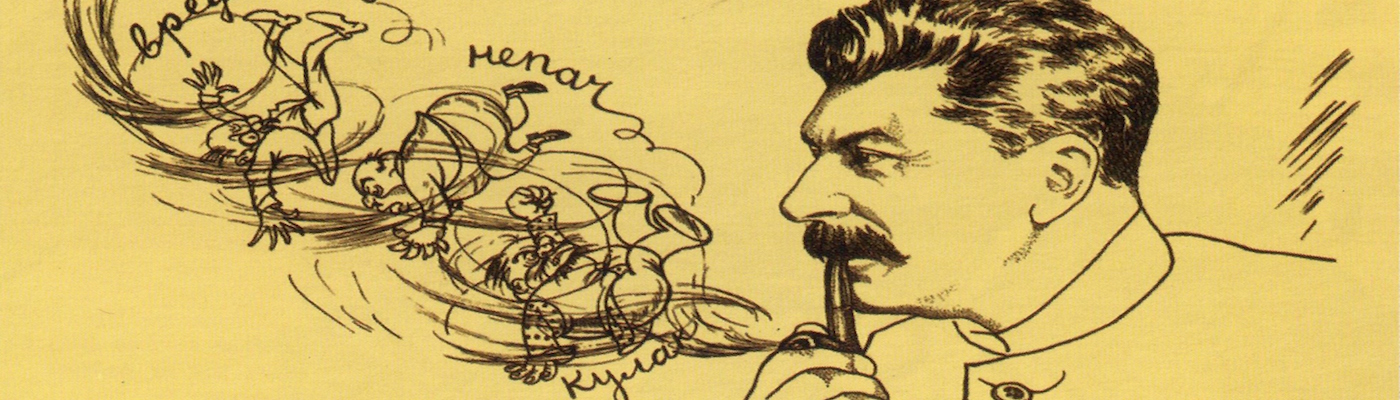

The public show-trial of fifty-three engineers and managers from the Northern Caucasus town of Shakhty opens in Moscow’s House of Trade Unions. The defendants, whose numbers include some of the most preeminent specialists trained under the former tsarist regime (as well as three German nationals), stand accused of participating in a conspiracy to sabotage the Soviet economy by “wrecking” local mining operations. Film crews, along with more than 100 reporters from across the USSR and around the world, record the proceedings.
The only evidence presented in support of the State’s accusations are confessions forcibly extracted from some of the defendants and denunciations made by subordinate workers.
By the time that the judicial farce concludes six weeks later, eleven of the accused are condemned to death (five of these are commuted to life in prison as a “reward” for confessing); thirty-eight others are sentenced to prison terms of between one to ten years. Four defendants (including the three German engineers) are acquitted of the charges.
In addition to identifying useful scapegoats for the continuing failures of Soviet industry, the Shakhty Trial marks the onset, in earnest, of Stalin’s campaign to eradicate politically suspect “bourgeois specialists” (spetsy) in favor of more trusted “young Communists specialists” educated under the Party’s tutelage.